Surviving the Unseen: Why the Rahasya Devlog is Redefining Indian Horror Games
Explore the secrets of Rahasya, a cinematic horror game set in a 1992 Indian haveli. Dive into the Rahasya devlog for insights on AI and immersion.
The eerie silence of an abandoned Indian haveli in 1992 is not just a backdrop; it is a living, breathing character that watches your every move. Following the recent release of this psychological thriller, many players are looking back at the Rahasya devlog to understand the complex systems that make this game so terrifying. This deep dive into the development process matters because it reveals how independent studios are pushing the boundaries of survival horror through adaptive AI and cultural storytelling.
When you first step into the ancestral estate of the protagonist, Aryan, you are not just playing a game; you are stepping into a carefully constructed nightmare detailed extensively in the Rahasya devlog series. SuperHorizon Studios has crafted an experience where the environment reacts to your presence, forcing you to reconsider every footstep and every creaking floorboard.
The Haunting Atmosphere of the 1992 Haveli
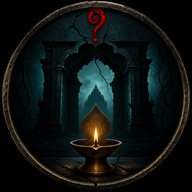
The setting of Rahasya is a masterclass in atmospheric design. Located in the heart of the Deccan plateau, the haveli represents a forgotten bloodline and a dark incident that was sealed away for decades. Unlike many western horror titles that rely on gothic castles or sanitariums, this game draws from the rich, claustrophobic textures of Indian architecture.
According to the developer insights, the team wanted to ensure that the "interconnectedness" of the haveli felt authentic. You aren't just moving through a linear series of "scare rooms." Instead, you are navigating courtyards, underground passages, and ritual areas that can be explored in various orders. This non-linear approach is a hallmark of the immersive sim genre, allowing the player to feel truly lost in their own family history.
The Reactive Entity: AI That Learns Your Habits
One of the most discussed topics in the Rahasya devlog #2 is the "Reactive Entity." This isn't a scripted monster that follows a pre-set path. Instead, it is an AI-driven hunter that listens, watches, and adapts to your survival strategies. If you find a "safe" route and use it repeatedly, the entity will eventually notice. It may begin to patrol that area more frequently or set traps to intercept you.
Player experiences shared in community forums suggest that the tension remains high because the entity reacts to sound and movement with uncanny precision. If you rush through a hallway, you might escape once, but you’ve effectively "taught" the entity where you are. This creates a psychological layer of fear where the player is not just afraid of what is behind the door, but also of their own previous successes.
Ritual-Based Puzzles and Indian Mythology
In Rahasya, progression is tied to solving intricate puzzles that are rooted in real Indian mathematics and astronomy. The Rahasya devlog highlights that these puzzles are designed to be "hand-holding free." You won't find glowing waypoints or obvious hints. Instead, you must rely on environmental clues, ancient inscriptions, and ritual objects found throughout the haveli.
These puzzles often involve rotating disk locks, symbolic ciphers, and the placement of ritual components. Because some of these elements change between playthroughs, the game maintains a level of unpredictability that is often missing from modern horror titles. This "Mythologist" approach ensures that the lore is not just something you read in a found note, but something you actively engage with to survive.
Technical Excellence: Unity HDRP and Dynamic Audio
From a technical standpoint, the game is a significant achievement for an indie studio. SuperHorizon Studios utilized Unity’s HDRP (High Definition Render Pipeline) to create realistic global illumination. This means that shadows, firelight from candles, and dust motes are rendered in real-time, contributing to a "cinematic vision" that feels like a living film.
The audio design is equally impressive. The Rahasya devlog mentions a full orchestral score that blends seamlessly with ambient environmental sounds. The music is dynamic; it doesn't just play on a loop. It shifts in intensity based on the entity's proximity and the player's current level of "tension." This auditory feedback is crucial for survival, as it often provides the only warning that you are being watched.
To experience the game for yourself or to see the latest updates, you can visit the official Rahasya Steam page, which currently features positive community feedback and a detailed list of recent performance optimizations.
System Requirements and Optimization
Despite its high-end visuals, the developers have worked to ensure the game remains accessible to a wide range of hardware. Recent updates have focused on collider improvements and performance boosts, especially for players on mid-range systems.
The Vision of SuperHorizon Studios
The story of Rahasya is also the story of SuperHorizon Studios. Founded by Aarush (CEO) and Fazal (CMO), the studio was built on the "Indie Spirit" — a refusal to follow corporate filters or focus-tested mediocrity. Their mission was to create a game that felt like a "statement," proving that independent teams can compete at the highest level of storytelling.
Player discussions often indicate that this passion is evident in every corner of the game. From the meticulous level design to the branching storylines that lead to four radically different endings, the game rewards players who take the time to immerse themselves in the world. The Rahasya devlog served as a roadmap for this vision, and the final product appears to have delivered on those ambitious promises.
Development Timeline and Future Goals
The journey from concept to completion was a multi-year effort. The studio has been transparent about their progress, using devlogs to build a community before the game even hit the store shelves.
Why "Rahasya" Matters for the Genre
In an era of "jumpscare" horror, Rahasya stands out by focusing on psychological tension and cultural authenticity. The game doesn't just try to startle you; it tries to make you feel responsible for your choices. The lack of combat is a deliberate design choice mentioned in the Rahasya devlog. By removing the ability to fight back, the developers force the player into a state of vulnerability that is far more impactful than a simple "game over" screen.
The "Secret" (the Sanskrit meaning of Rahasya) is not just the plot twist at the end; it is the realization that the house knows you are inside. It is the feeling of being hunted by something that is learning from you. For fans of Resident Evil 7 or Amnesia, this game offers a fresh, culturally rich perspective on the "helpless survivor" trope.
As the studio continues to release updates and engage with their Discord community, it is clear that the Rahasya devlog was just the beginning. The success of this debut title sets a high bar for future projects from SuperHorizon Studios, proving that when mystery becomes legend, the results are truly unforgettable.
Frequently Asked Questions
What is the main focus of the Rahasya devlog series?
The Rahasya devlog series primarily focuses on the technical and creative aspects of the game's development, including the implementation of the adaptive AI entity, the creation of the 1992 Indian haveli setting, and the design of puzzles rooted in Indian mythology. It serves as a behind-the-scenes look at how the team achieved high levels of immersion and tension.
Can you fight the monsters in Rahasya?
No, there is no combat in the game. As highlighted in the developer updates, the gameplay is centered on survival through stealth, observation, and puzzle-solving. You cannot kill the entity hunting you; you must learn its patterns and use the environment to hide or escape.
How does the AI learn the player's habits?
The reactive entity tracks several player variables, including the paths you take most frequently, the amount of noise you make, and how long you stay in specific "safe" zones. Over time, the AI adjusts its patrol routes and behavior to counter your specific survival style, making each playthrough unique.
Is Rahasya based on a true story?
While the game is a work of fiction, it is deeply rooted in Indian mythology and cultural history. The developers drew inspiration from unsolved mysteries and ancient inscriptions found in the Deccan plateau to create a narrative that feels authentic and grounded in real-world lore.
Related guides
Rahasya Mystery Explained: Haveli Secrets, Aryan's Obsession, and the True Lore Behind the Horror
Unravel the deep lore of Rahasya (2026). Discover the secrets of the ancestral haveli, Aryan's archaeological obsession, and all multiple endings explained.
Unraveling the Rahasya Story: Lore, Endings, and Haveli Secrets Explained
Dive deep into the Rahasya story. Uncover the secrets of the cursed 1992 haveli, the ancient Deccan plateau inscriptions, and all four game endings.
Unveiling the Rahasya 1990s Indian Horror Story: A New Era of Adaptive Terror
Explore Rahasya, the 1990s Indian horror story set in a cursed haveli. Learn about its adaptive AI, deep lore, and survival mechanics.